
Quiet Luxury for Dogs: What It Really Means | 2.8 Design for Dogs
The phrase has been worn thin by now. Quiet luxury arrived as a description of a particular kind of wardrobe — unbranded, well cut, expensive in ways you were meant to feel rather than see — and within a season it had become a marketing term like any other, applied to things that were neither quiet nor especially considered.
Set the phrase aside and the idea underneath it holds. Quiet luxury is not a palette or a silhouette. It is a set of decisions: to use good materials, to make things slowly, to leave off the logo, to build an object that does its work for years without asking to be noticed. It describes how something is made and how it behaves over time, not how it looks in a single photograph.
Most of what is sold for dogs is built on the opposite principle. The register is loud — bright hardware, contrast stitching, the name of the brand pressed into the leather where everyone can read it. It is designed to be seen first and used second. There is a market for that, and we are not in it.
What quiet luxury means for the things a dog wears
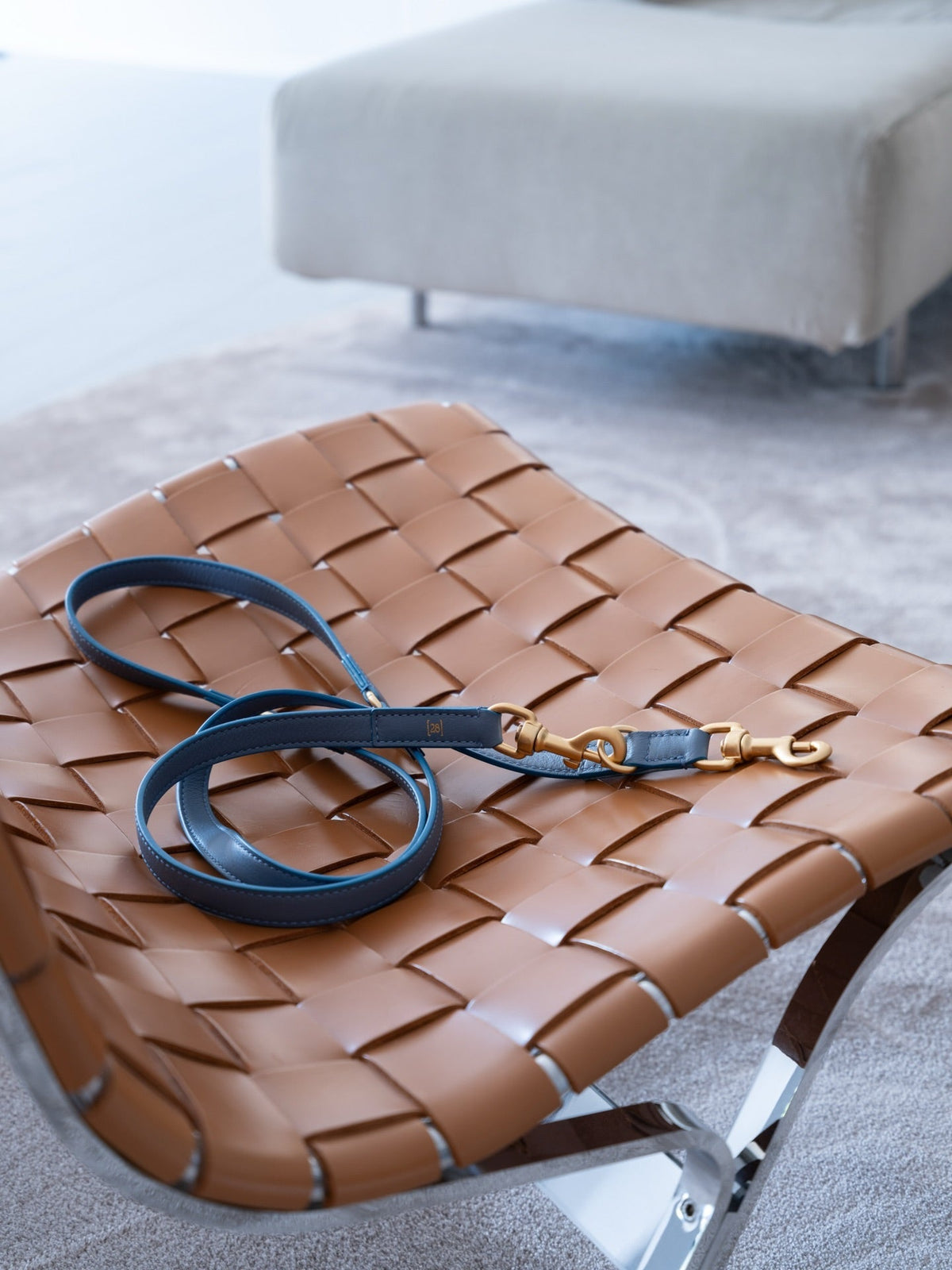
A collar and a lead are worn every day, in weather, against a body that pulls and rolls and lies down in the grass. They are among the few objects a person handles constantly and rarely thinks about. That is exactly the case for making them well.
Restraint here is not an aesthetic preference. A collar with no ornament has nothing to catch, nothing to tarnish unevenly, nothing that dates. A muted colour sits against a dog's coat instead of competing with it. Hardware chosen for how it ages rather than how it gleams looks better in its third year than its first. The quiet version is, in almost every case, the more practical one.
Materials that don't announce themselves
The difference is mostly in the materials, and materials are difficult to photograph and easy to feel.
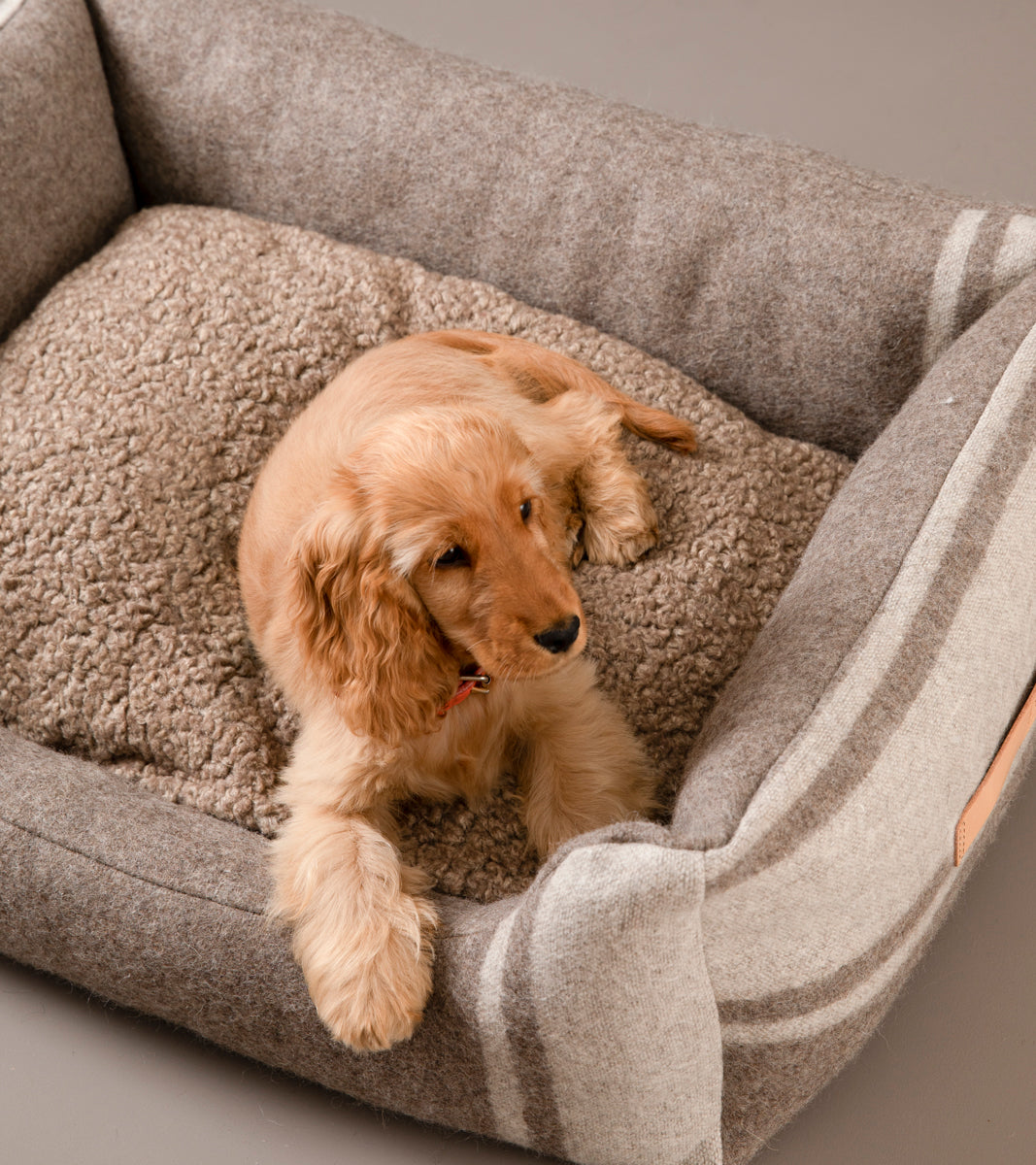
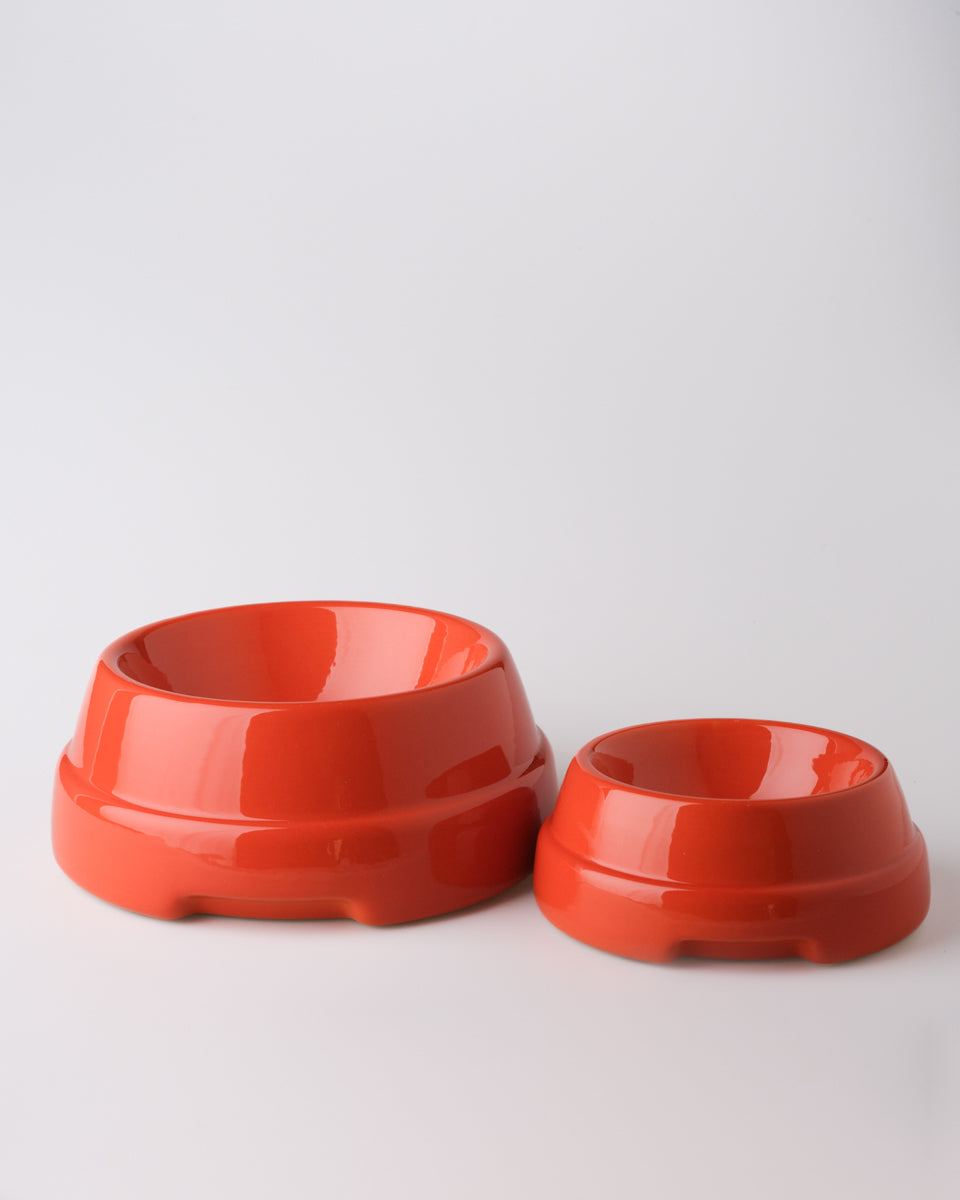
We work in nappa leather, which is soft, close-grained, and takes colour deeply. In wool we use Casentino — the napped Tuscan cloth with a long history of its own — and merino, and recycled wool where it belongs. Linen and ceramics for the objects that live in the house rather than on the walk. None of these are chosen to signal expense. They are chosen because they wear in rather than out, and because a good material asks very little of you once you own it.
A synthetic collar performs well for a season and then tells you, all at once, that it is finished. Leather does the opposite. It softens, darkens where it is handled, and settles into the shape of the animal that wears it. The value is not stated on the object. It accumulates.
Made in Italy, without hurry
Everything is made in Tuscany and Veneto, in workshops we have worked with since we began in 2016. This is not a heritage claim borrowed for the occasion; it is where the things are actually made, by people who make leather goods and woven goods for a living and have for a long time.
Made in Italy has been used loosely enough that it is worth being precise. For us it means the cutting, the stitching, the weaving, and the finishing happen where the materials and the knowledge are, at the pace those processes require. Slower, in other words, and more expensive to do, for reasons that show up in the object and not in the marketing.
Objects, rather than accessories
We think of the range as a small set of objects rather than a catalogue of accessories. The collar, the lead, the holder for bags, the holder for a tracker: sold together, in a considered palette, so that a household reads as one thing. People with more than one dog tend to give each a colour, which we like — it treats the animals as individuals without turning them into a theme.
Our collars and leads carry the names of photographers rather than product codes. It is a small convention, and it says something we mean: these are objects with a point of view, made to be lived with, not merchandise to be moved. A good object earns its keep quietly, over years, by being exactly what it is and nothing more.
That, in the end, is the whole of it. Buy less. Buy things made properly, from materials that improve with handling, in colours that don't tire. Let the object be quiet and let it last. It is a reasonable way to dress a person, and there is no reason a dog should be held to a lower standard.
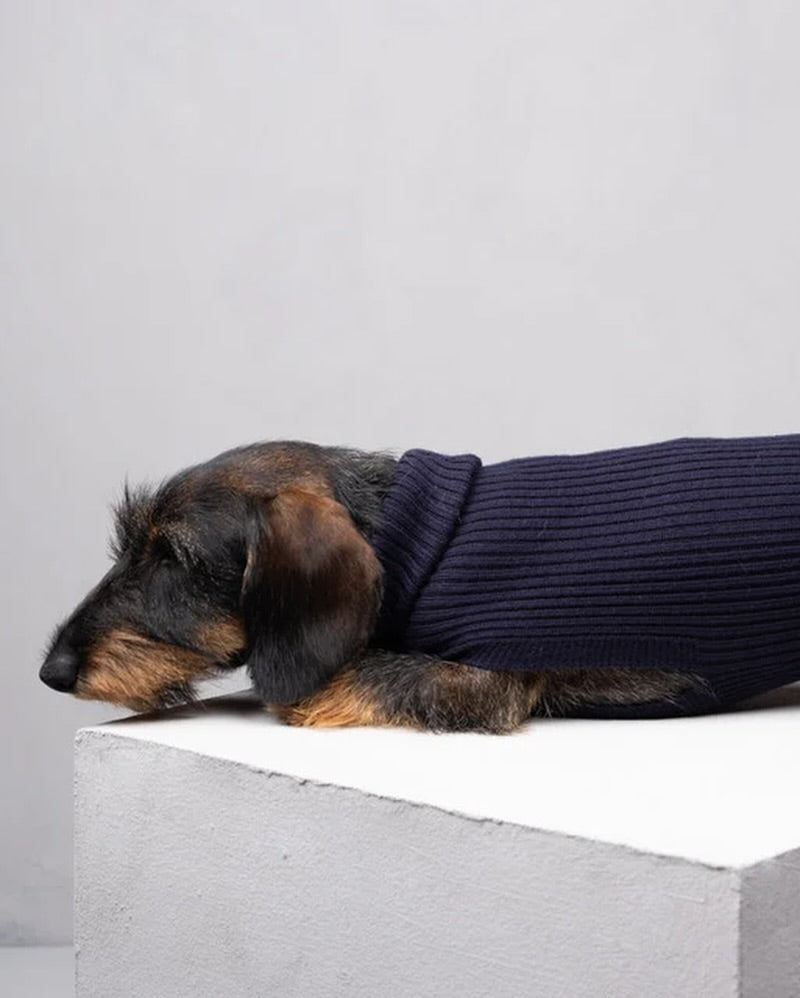
Explore the collars and leads, the beds and cushions, and Paul, the merino wool sweater. Consciously designed and crafted in Italy since 2016.