

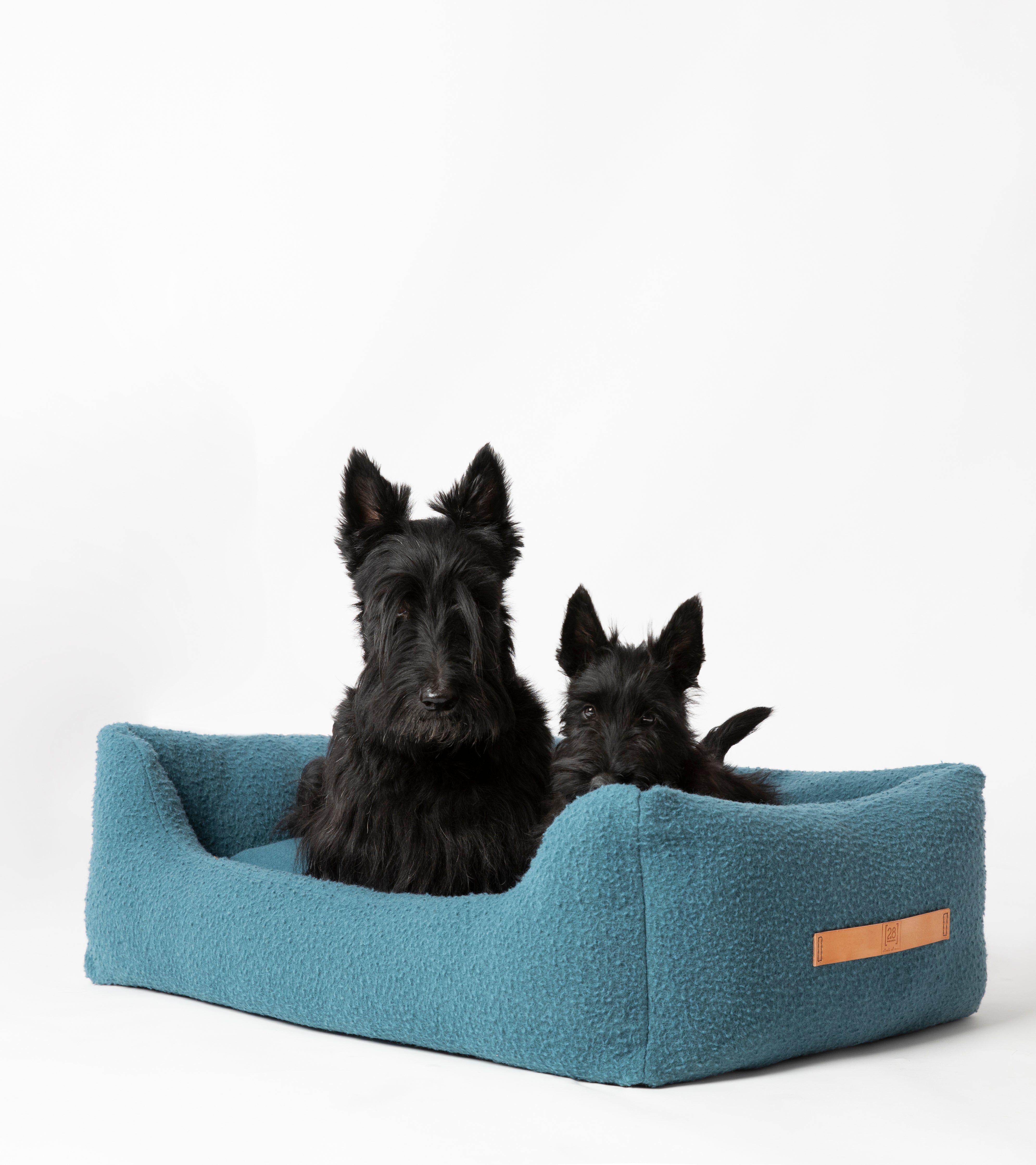
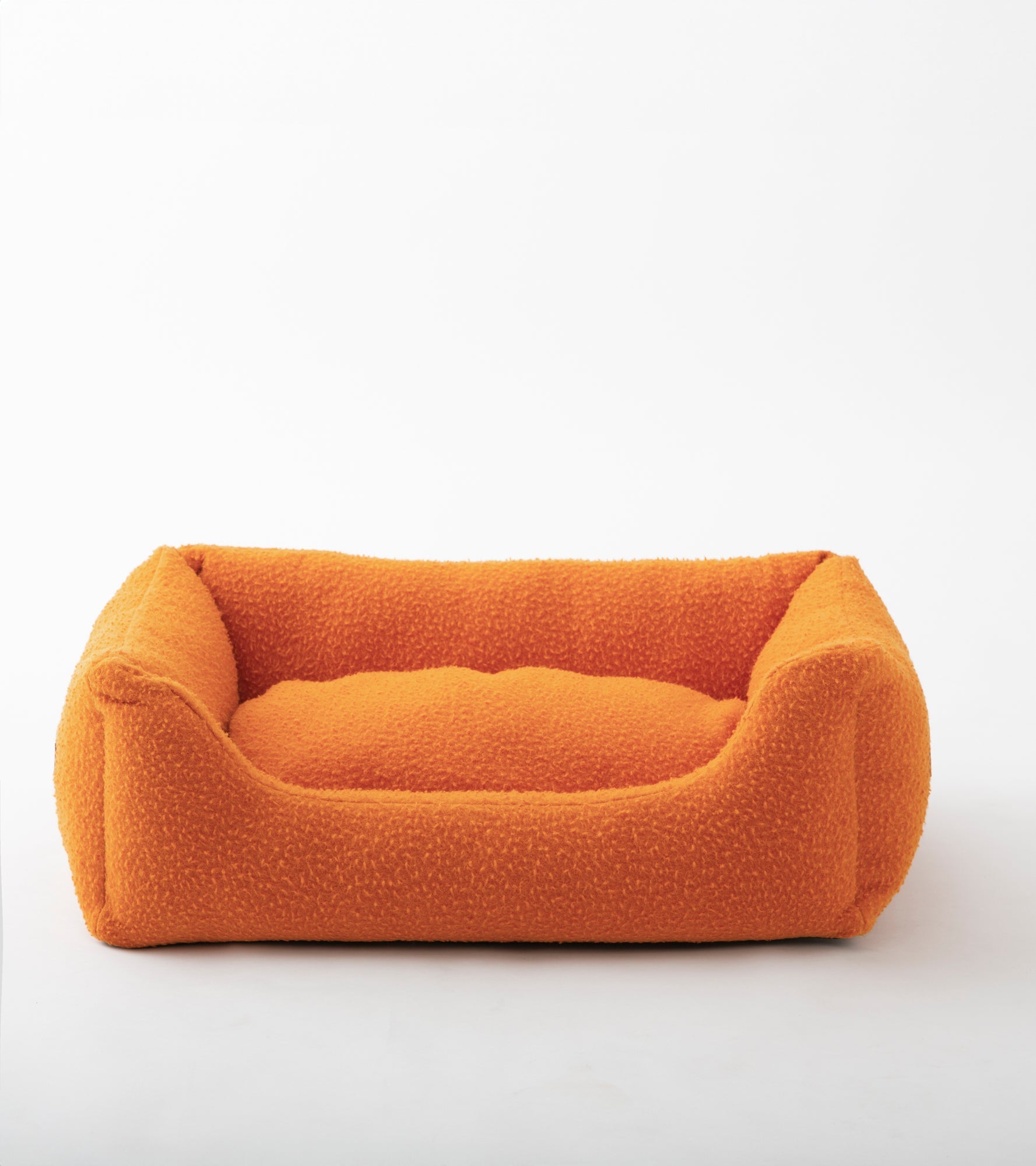

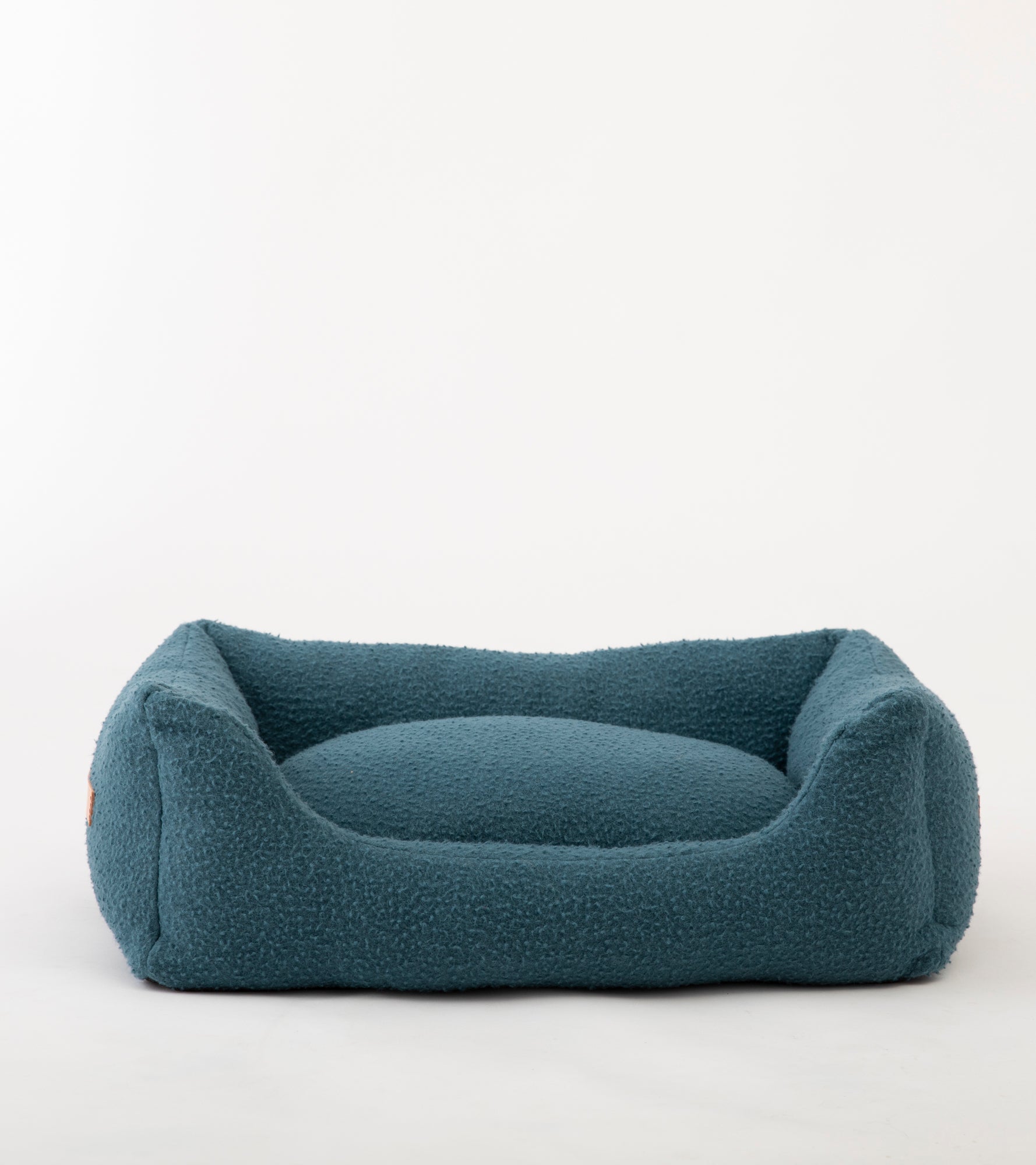
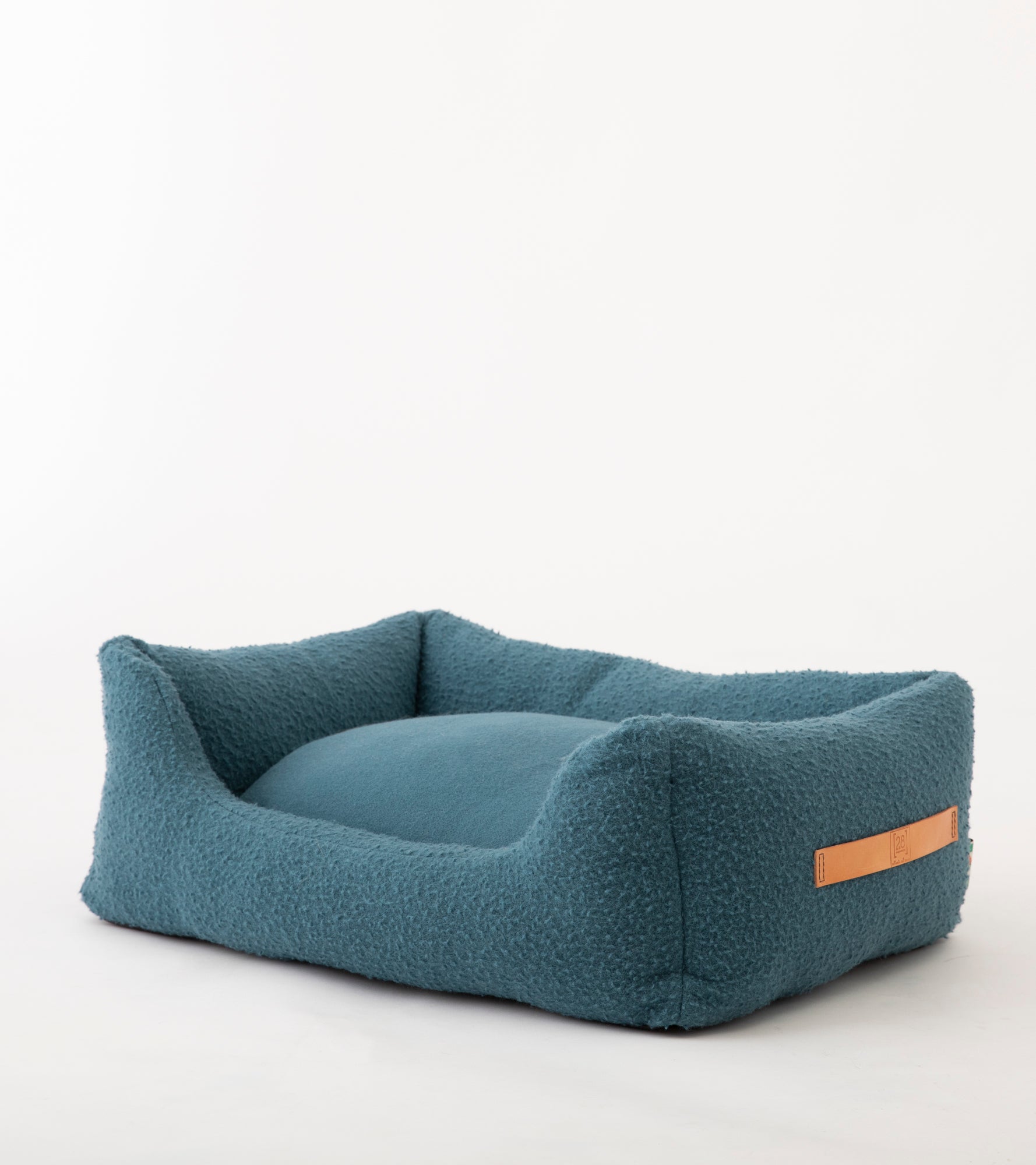
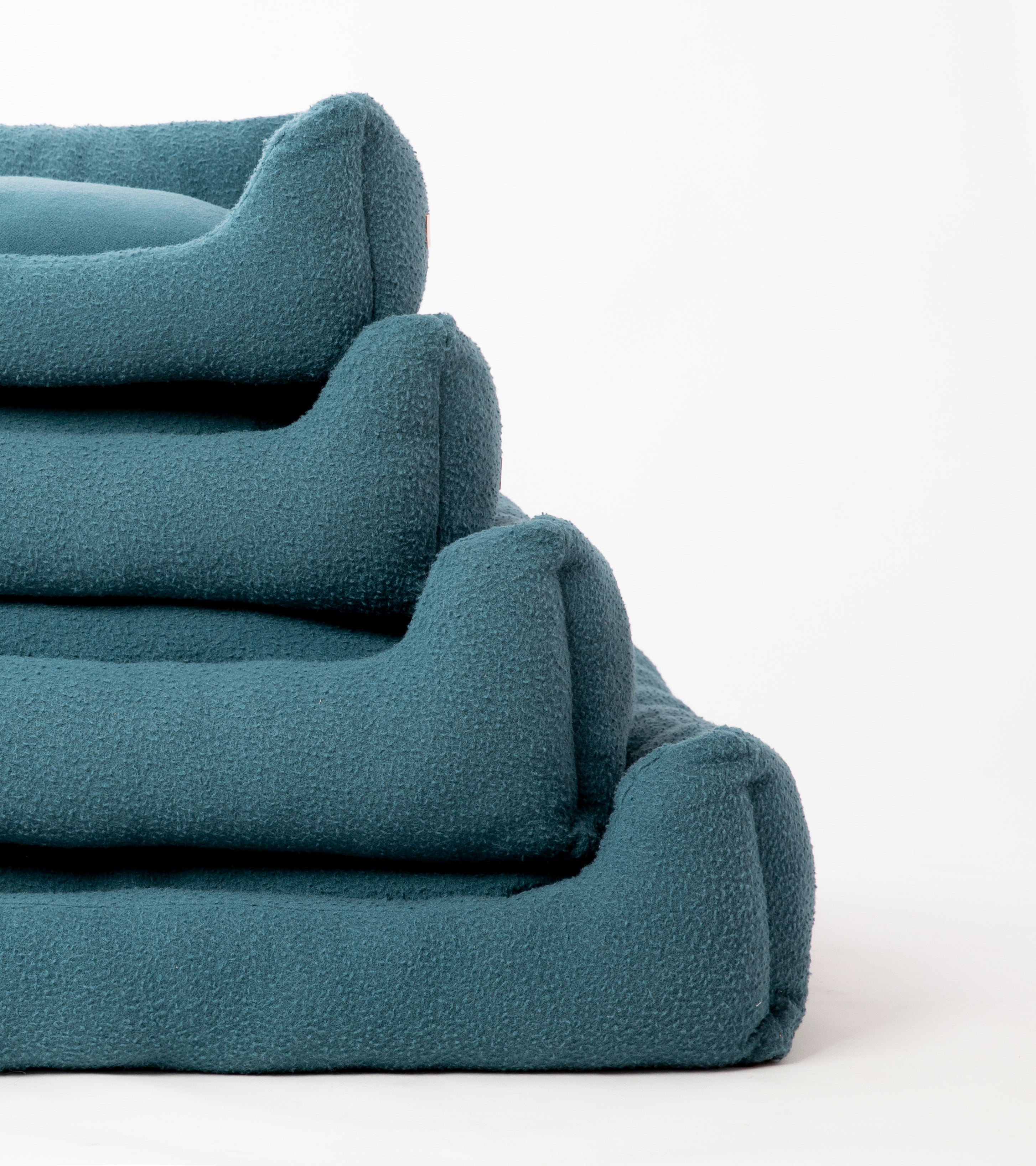
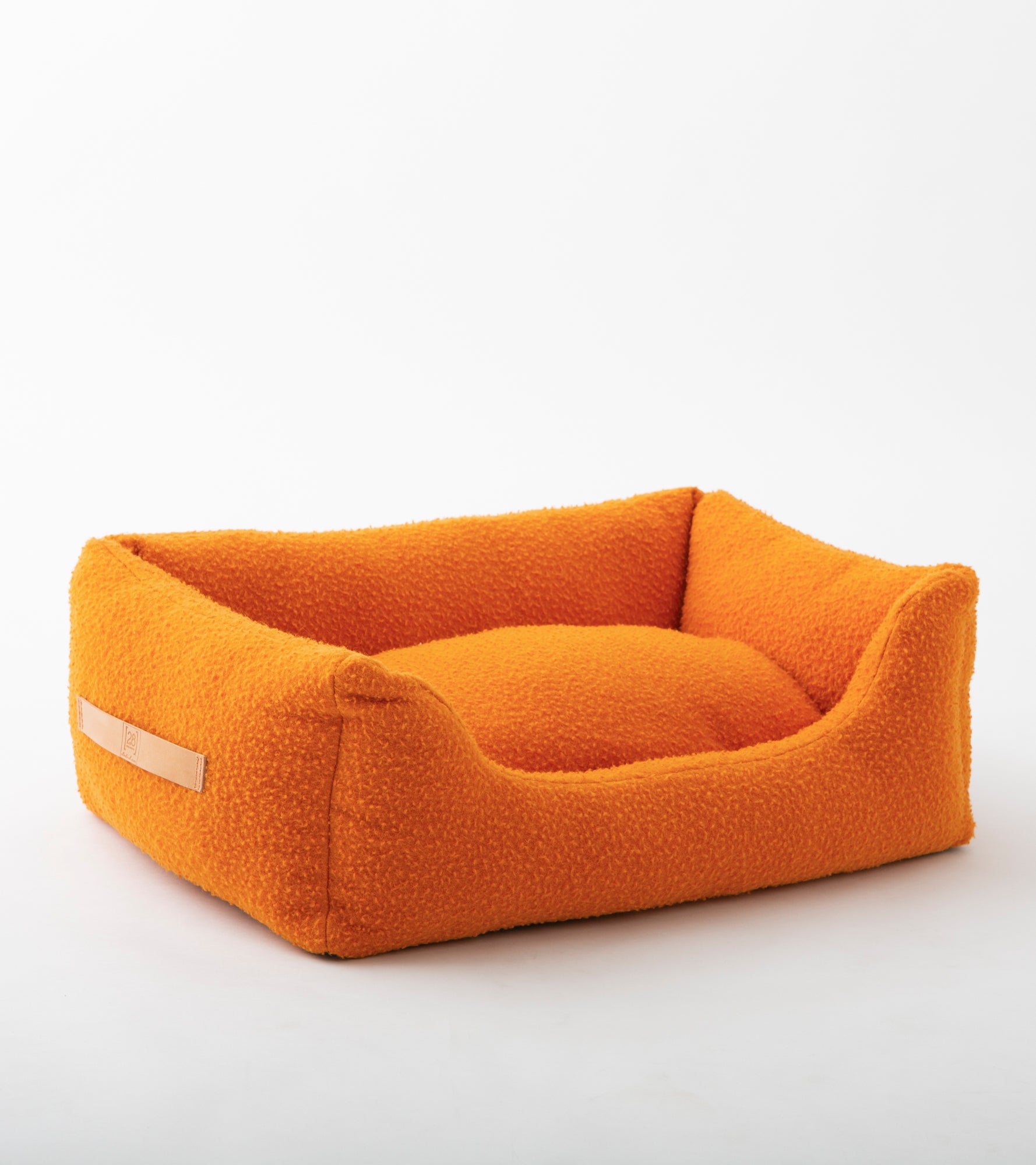
Henri - Cuccia in Lana Casentino
Tasse incluse. Spedizione calcolata al checkout
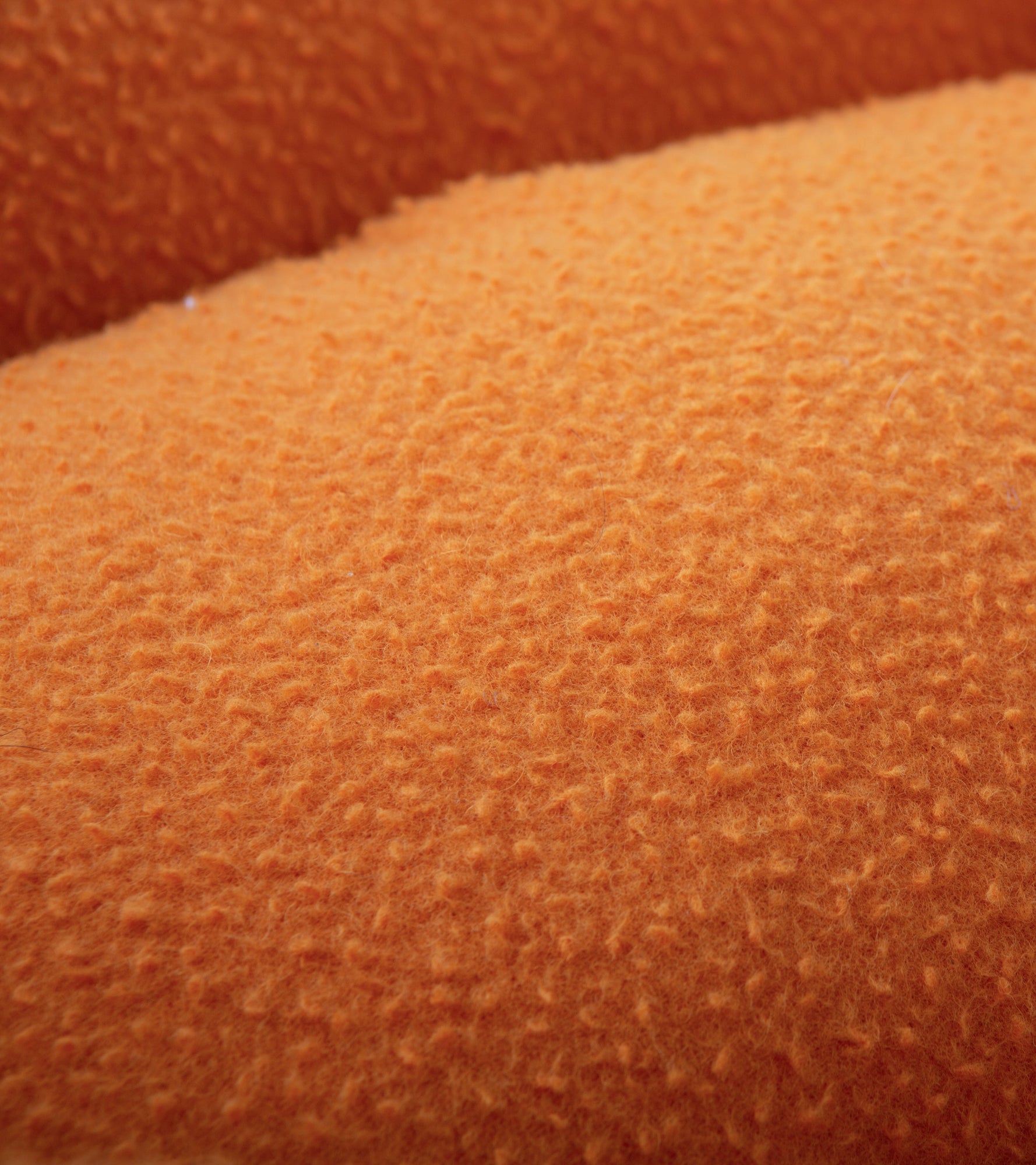
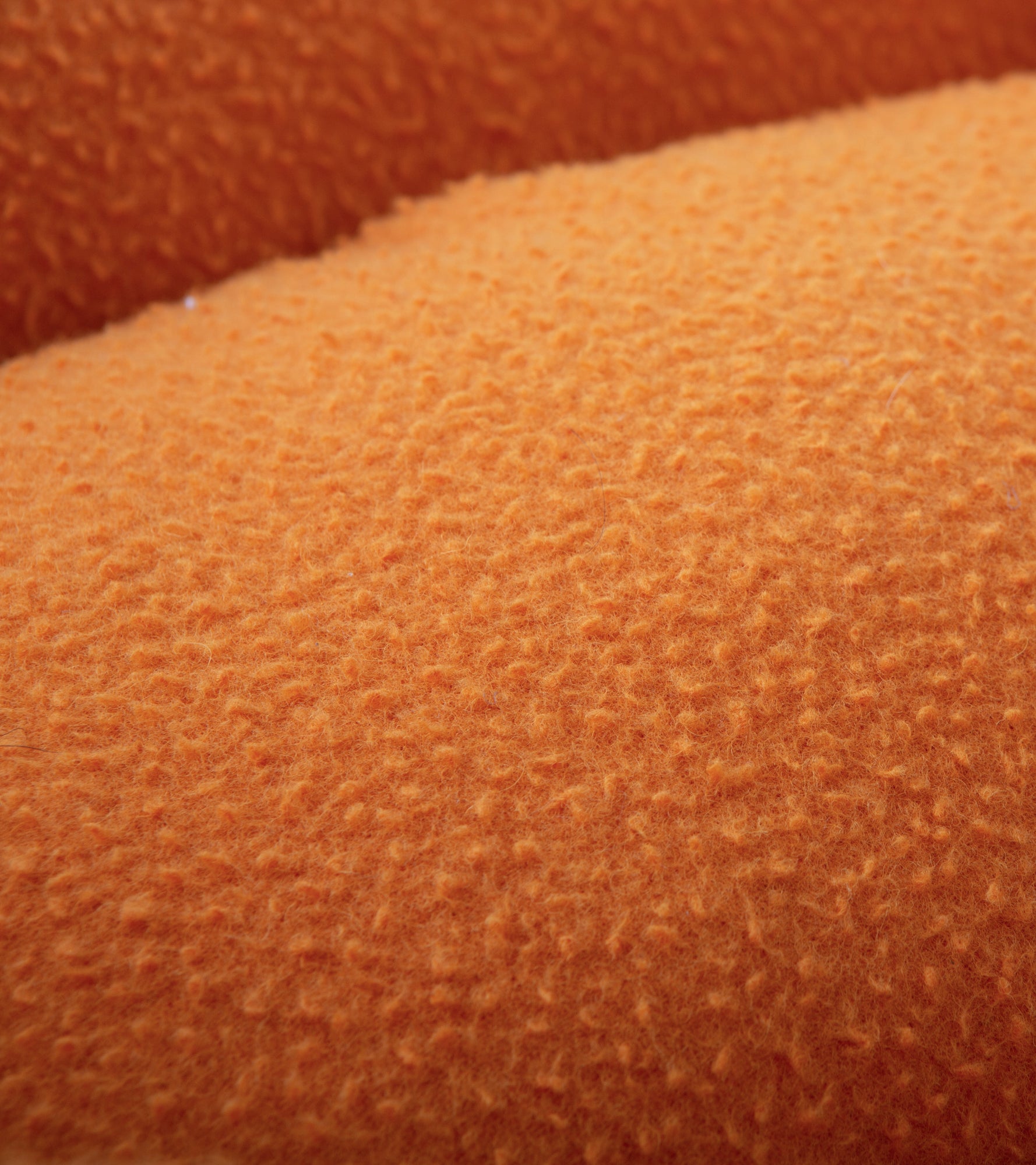
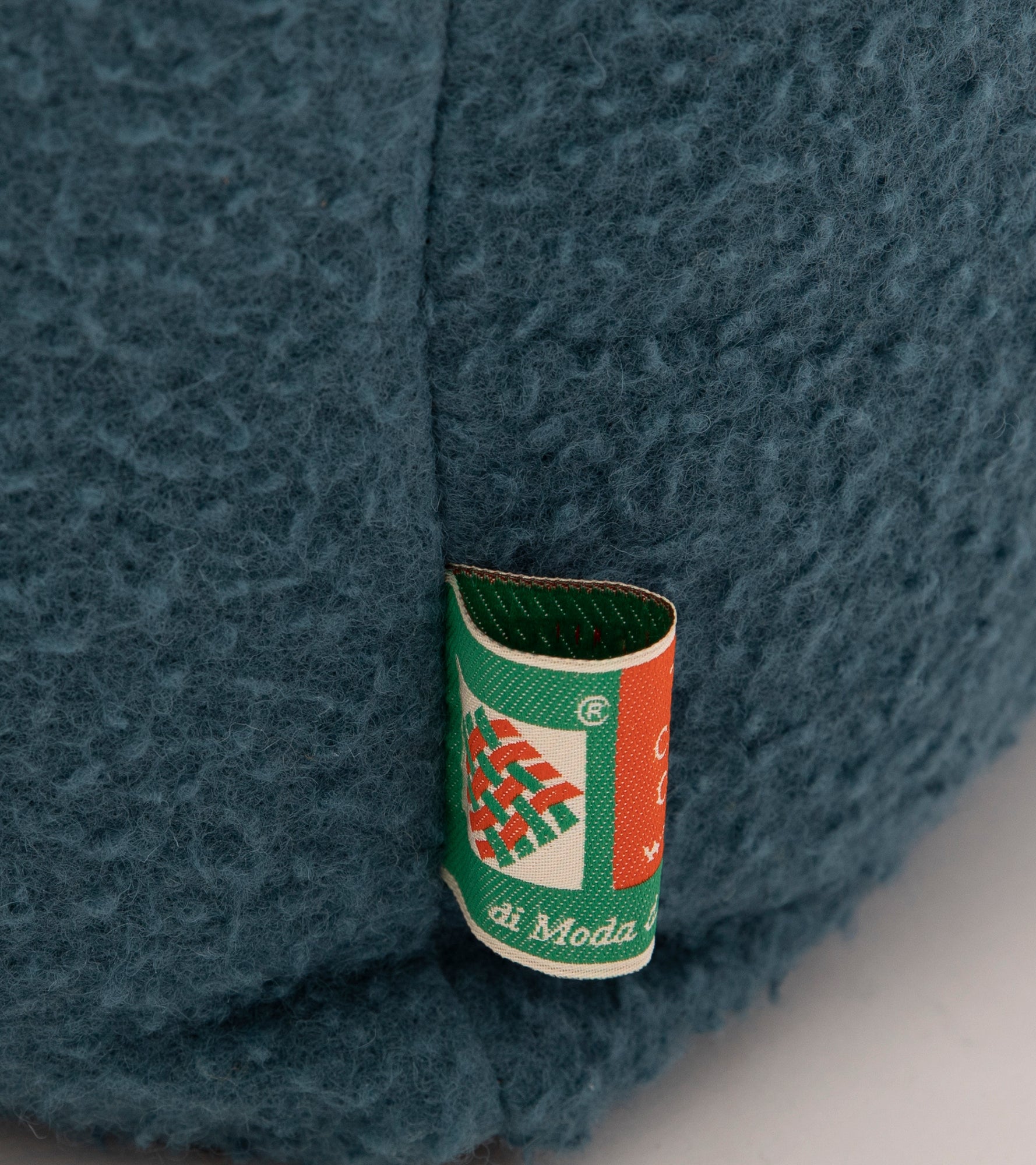
- Artigianato toscano iconico – rivestita in autentico panno Casentino, un tessuto storico nato nel Rinascimento toscano e tutt’oggi prodotto nelle colline sopra Arezzo. Naturalmente idrorepellente, resistente e dai colori vivaci, il Casentino riflette il calore e il carattere della sua terra d’origine.
- Cuscino interno double-face – con un lato in panno Casentino grezzo e l’altro in versione liscia, per due texture diverse e un comfort adatto a ogni stagione.
- Imbottitura morbida e anti-parassitaria – riempita con fibra poliestere, una fibra sintetica naturalmente resistente ai parassiti, che mantiene la forma e garantisce igiene nel tempo.
- Design funzionale ed elegante – la base in tessuto antiscivolo assicura stabilità, mentre le maniglie in pelle e il tessuto distintivo rendono questa cuccia un vero complemento d’arredo.
- Su ordinazione & fatta a mano – ogni cuccia Henri in panno Casentino è realizzata su misura con un tempo di produzione di circa 10 giorni e consegna in 2 settimane.
| Bed Size | Dog Breeds (Examples) |
|---|---|
| Small | Miniature Dachshund, Maltese, Miniature Poodle, Chihuahua, Papillon |
| Medium | Toy Poodle, Whippet, Fox Terrier, French Bulldog, Cavalier King Charles, Jack Russell |
| Large | Bull Terrier, Border Collie, Vizsla, Doberman, Bracco Italiano, Weimaraner |
| Extra Large | German Shepherd, Great Dane, Bernese Mountain Dog, Rottweiler, Newfoundland, Cane Corso |
Secure payments thanks to the use of SSL technology.
Send us an email to info@duepuntootto.com
Call us or text us on Whatsapp
+39 351 809 4487
Description
Scegli le opzioni
2.8 DESIGN FOR DOGS
Story behind Casentino Wool
Casentino wool is a coarse, durable wool fabric originating from the Casentino Valley in Tuscany, Italy. It’s known for its distinctive curly or matted texture, created through a special felting process that improves insulation and water resistance.
Casentino wool has been in use since the Middle Ages, originally crafted for the Camaldolese monks for its warmth and practicality. It was later adopted by the Tuscan aristocracy, valued both for its insulating properties and its association with regional prestige. Over the centuries, it became a favored material among notable figures such as Dante Alighieri and Giuseppe Verdi.
Today, Casentino wool is still produced in Tuscany by traditional mills, including TACS (Tessilnova), maintaining its heritage techniques. It continues to be used in luxury coats and accessories, prized for its distinctive texture and historical significance.